Bishkek—Rome
Study in Italy
Universities with centuries of history, strong schools of design, architecture and engineering — and cities you'll want to live in.
Why Italy
A European degree
Italy is part of the Bologna system: a bachelor's degree is recognised across Europe and lets you continue to a master's in another country.
Programmes in English
Many public universities teach bachelor's programmes in English. You can pick up Italian once you're there.
Fees linked to family income
At public universities tuition is calculated with your family's income in mind. There are regional scholarships open to international students.
A setting that teaches
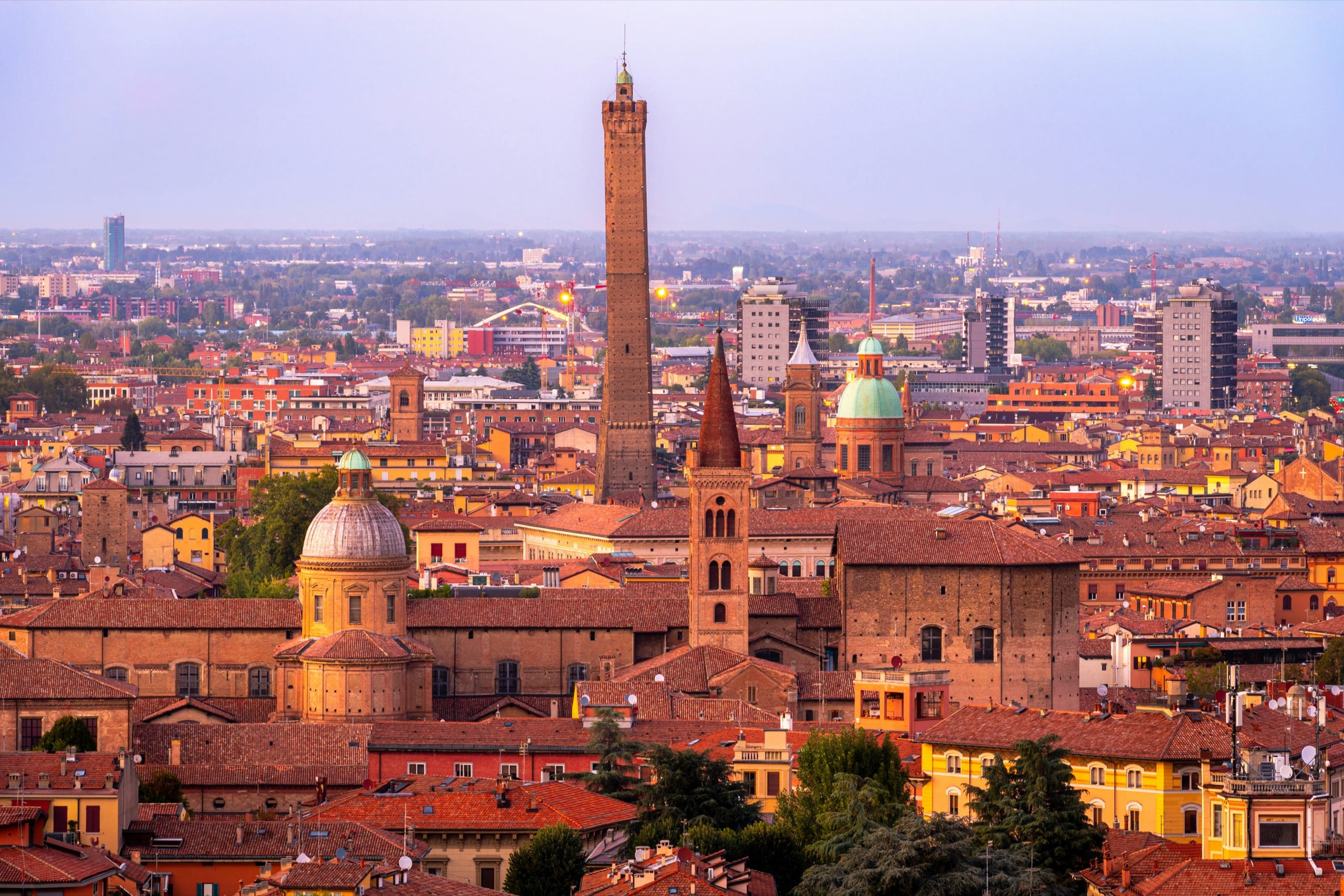
Architecture, museums, workshops and industry are next door to the lecture hall. For design, art and engineering that is part of the education.
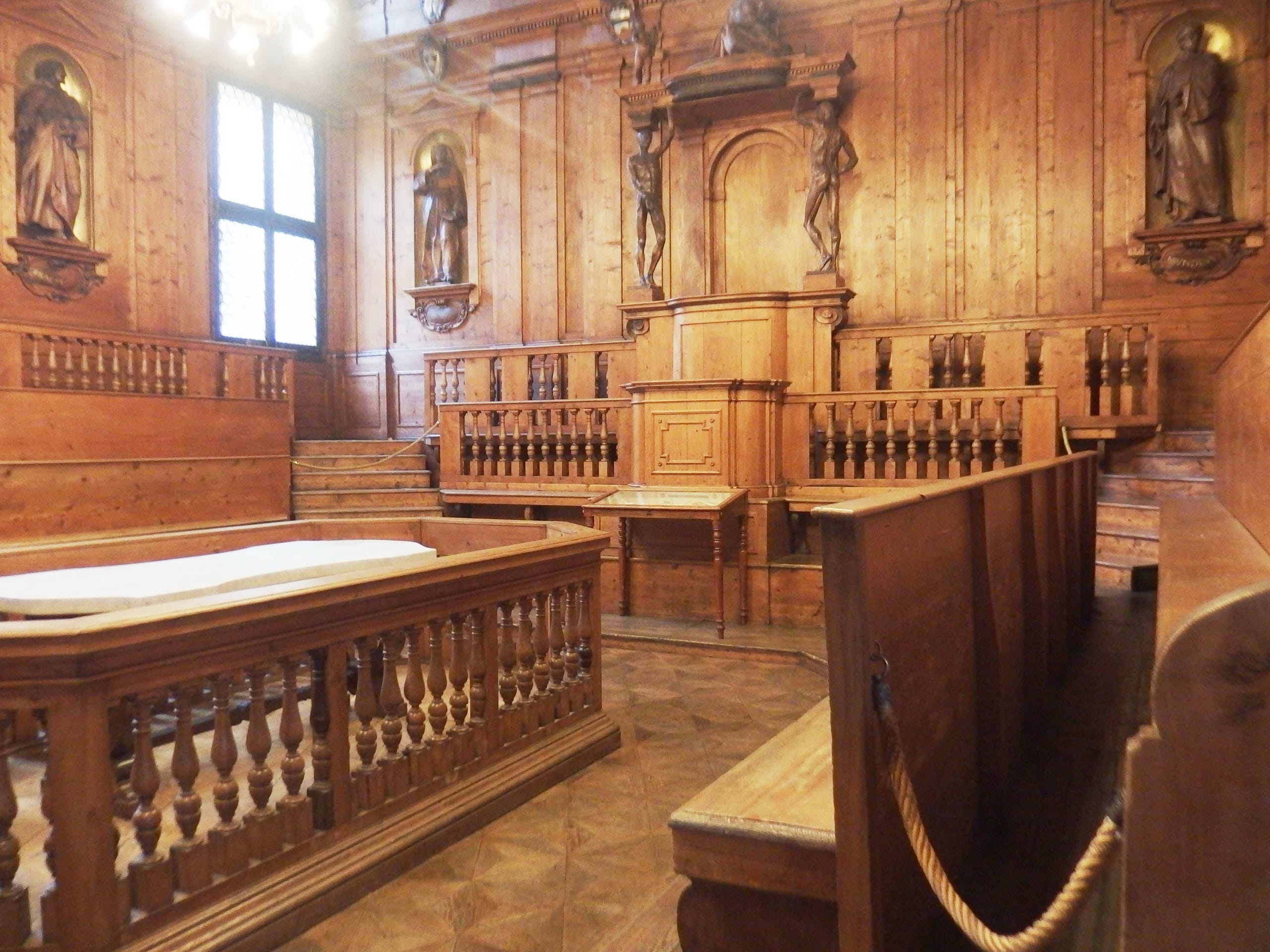 Palickap / Wikimedia Commons (CC BY-SA 4.0)
How the system works
A bachelor's degree in Italy is called a Laurea Triennale and usually takes three years. Some single-cycle programmes — medicine and architecture, for example — take five to six.
Study is built around lectures and end-of-term exams. Many exams are oral, and students often choose their exam date from several sessions. It takes independence — and we explain in advance how to prepare for it.
- Bachelor's
- Usually 3 years
- Teaching language
- English or Italian
- Start of studies
- Autumn
- System
- Bologna, ECTS credits
What people study in Italy
Design and fashion
Product, graphic and interior design
Architecture
Design and restoration
Engineering
Mechanical, automotive, aerospace
Economics and management
Business, finance, tourism
Medicine
English-taught programmes with a separate exam
Arts and humanities
Art history, cultural heritage
Universities worth considering
Universities that applicants from Kyrgyzstan often look at first.
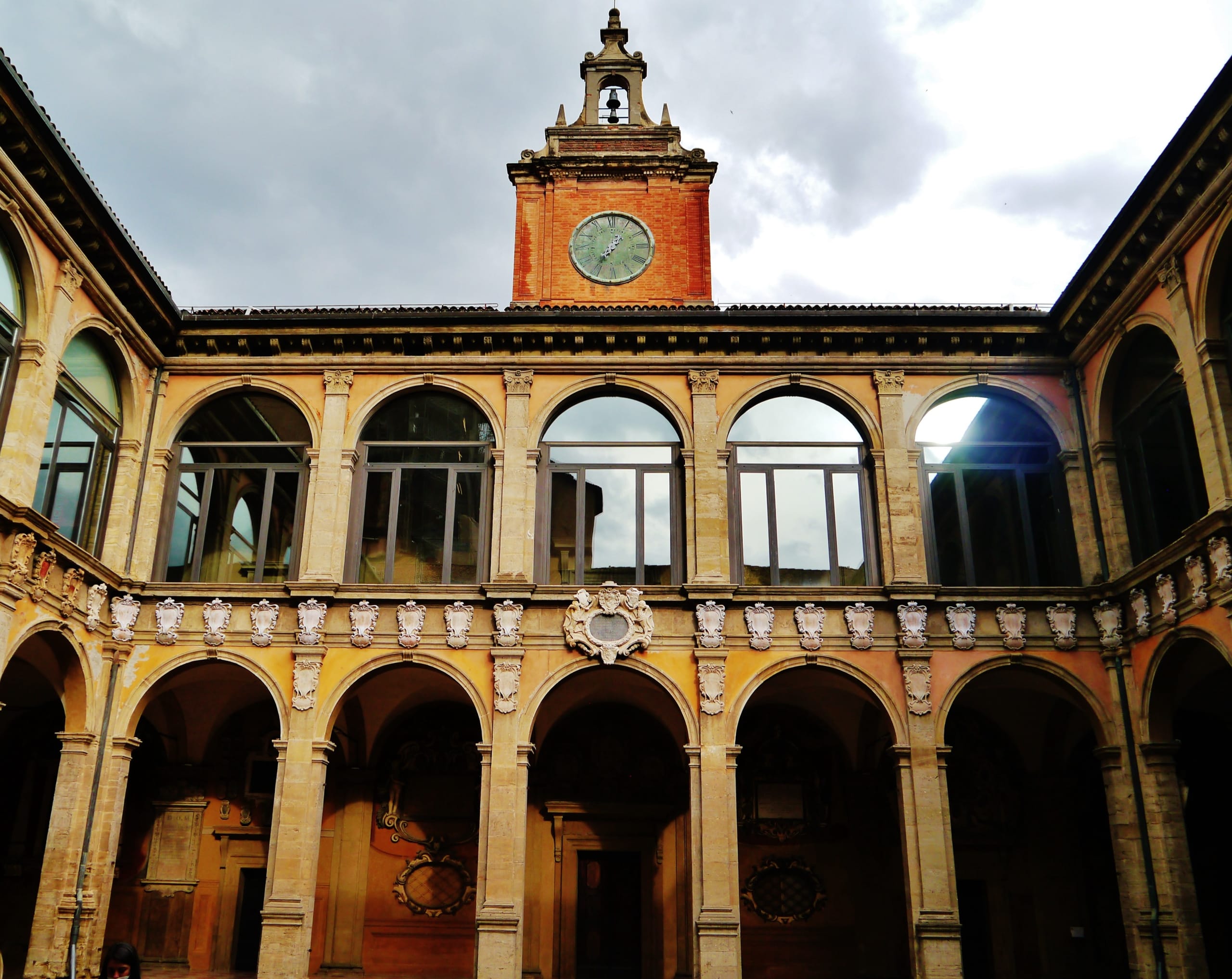
- University of BolognaBolognahumanities, business and economics, lawUniversity website
- Sapienza University of RomeRomeengineering, medicine, humanitiesUniversity website
- Politecnico di MilanoMilanengineering, architecture, designUniversity website
- University of PaduaPaduamedicine, natural sciencesUniversity website
- Politecnico di TorinoTurinengineering, architectureUniversity website
The list is a starting point for your choice. Dream Education is not an official representative of these universities.
What universities ask for
Every university sets its own rules. Below is what is asked for most often.
- School-leaving certificate with a transcript of grades
- Twelve years of prior schooling: with an 11-year certificate you usually need a foundation course or a year at a university
- An English or Italian certificate, depending on the teaching language
- An entrance test for some programmes, such as TOLC, and a separate exam for medicine in English
- A motivation letter and, for creative programmes, a portfolio
- Pre-enrolment through the Universitaly portal in order to get a visa
We check the exact requirements against your chosen university's current rules before applying.
Documents
The list is adjusted to the university and the consulate. We check every document before it is sent.
- International passport
- School certificate and transcript
- Translation of the documents into Italian or English
- Recognition of the certificate: Dichiarazione di Valore or a CIMEA statement
- Language certificate
- Motivation letter
- Family income documents, for the fee calculation and scholarships
- Proof of funds and accommodation for the visa
- Health insurance
What to do when
Admission dates differ between universities, so we count back from the start of studies. The exact dates go into your plan.
12 months before
1. Consultation and choice
We settle on a programme and universities, deal with the twelve-years question and start on the language.
9–10 months before
2. Exams and documents
You take the language exam and the entrance test if one is needed. We collect and translate the documents.
6–8 months before
3. Applying to the university
We submit applications, track replies, and apply for a residence place and a scholarship.
3–5 months before
4. Pre-enrolment and visa
After admission we complete pre-enrolment and prepare the documents for the student visa.
1 month before
5. The move
Tickets, housing, insurance and a list of first things to do in Italy. After arrival we help with the residence permit.
What the budget is made of
Exact amounts depend on the university, the city and your family's income, so we calculate the budget for a specific option. Here is what goes into it.
- Tuition
- At public universities the fee is calculated from your family's income documents. At private universities it is fixed and noticeably higher.
- Housing
- A university residence or a room in a shared flat. Housing in the big northern cities costs more than in smaller university towns.
- Living
- Food, transport, phone, study materials. Students have access to university canteens and discounted travel passes.
- One-off costs
- Translation and legalisation of documents, recognition of your school certificate, visa, insurance, residence permit, flight.
In your free plan we show the budget for the university you choose and explain which scholarships you can apply for.
Student life
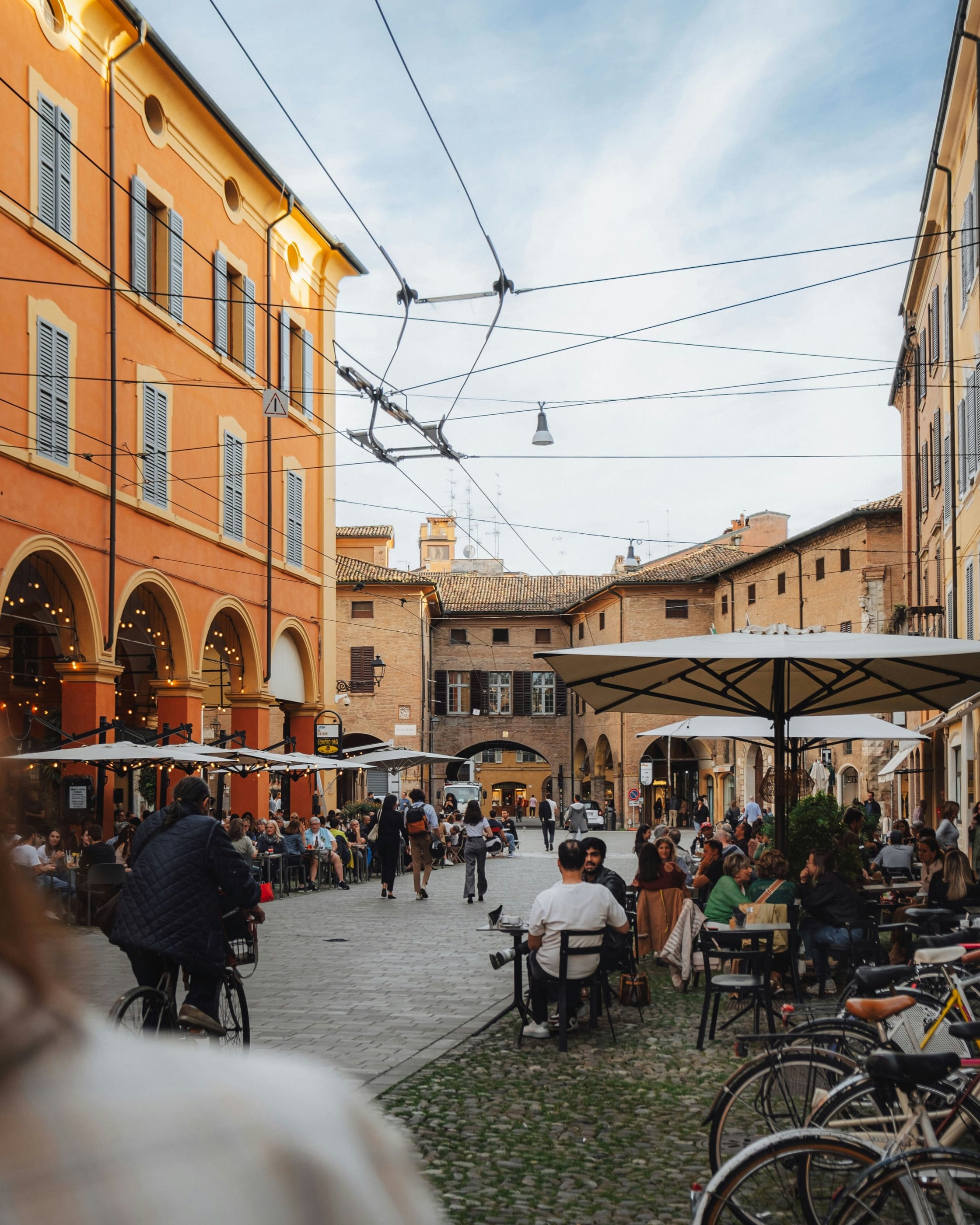
Most Italian universities sit right inside the city: lecture halls, libraries and canteens are spread across historic districts. Students walk and cycle a lot.
You'll need Italian for everyday life — at the shop, at the doctor's, with paperwork. Even a basic level makes the first months much easier, and we recommend starting before you leave.
- Residence places are allocated competitively, so you apply early
- After arrival you apply for a residence permit for study
- Student canteens and travel passes are available at reduced prices
- Trains connect the university cities with each other
What Dream Education does
- We shortlist programmes in English or Italian that match your grades and interests
- We explain how to handle the twelve-years requirement and suggest a suitable route
- We prepare documents, translations and the recognition of your certificate
- We help with applications to the university, the residence and the scholarship
- We guide you through pre-enrolment and visa preparation
- We stay in touch after arrival: moving in, residence permit, first questions
Frequently asked questions
Can I study in Italy in English?
Yes, many universities teach bachelor's programmes in English. You'll need a language certificate, and the level depends on the university — we'll check the requirements for your programme.
Will I be accepted after grade 11?
Italian universities usually require twelve years of prior schooling. Most often this is solved with a foundation course or a year of university study. We'll tell you which route suits you.
Is it true that studying in Italy is inexpensive?
At public universities the fee depends on family income, so the amount is different for everyone. Housing and living costs need separate planning. In your plan we'll work out the budget for a specific city and university.
Can I get a scholarship?
Italy has regional scholarships that take family income into account, as well as universities' own scholarships. They can't be guaranteed, but we help you prepare the documents and apply on time.
Will my parents be kept informed?
Yes. The family has one manager who reports on every stage — from submitting documents to moving in — and answers parents' questions directly.