Bishkek—Istanbul
Study in Turkey
Turkey is close: a direct flight from Bishkek, a related language and a culture that feels familiar. We help you choose a university and get through every step, from documents to moving in.
Why Turkey
Close to home
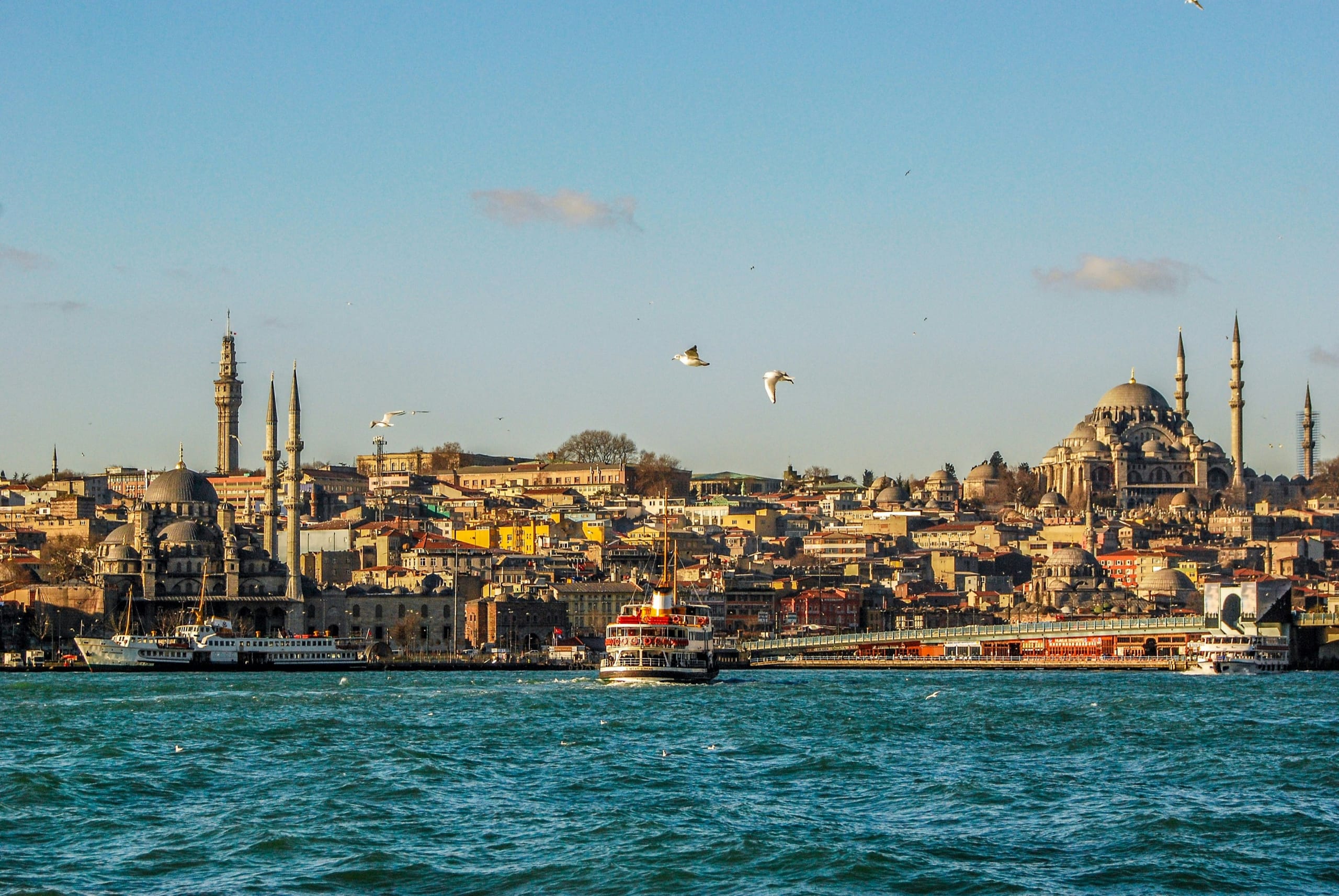
There are direct flights from Bishkek to Istanbul. Coming home for the holidays, or having your parents visit, is easier than from most other countries.
A language that soon feels like yours
Turkish and Kyrgyz belong to the same Turkic family. Many words and the way sentences are built will be familiar, so Turkish usually comes more easily than other foreign languages.
Programmes in Turkish and English
Turkey has public and private universities, with programmes taught in Turkish or English. We look for an option that fits your language, your interests and your family's budget.
Big cities and student life
Students from many countries study in Istanbul, Ankara and Izmir. The culture and the food are familiar, so settling in is usually easier.
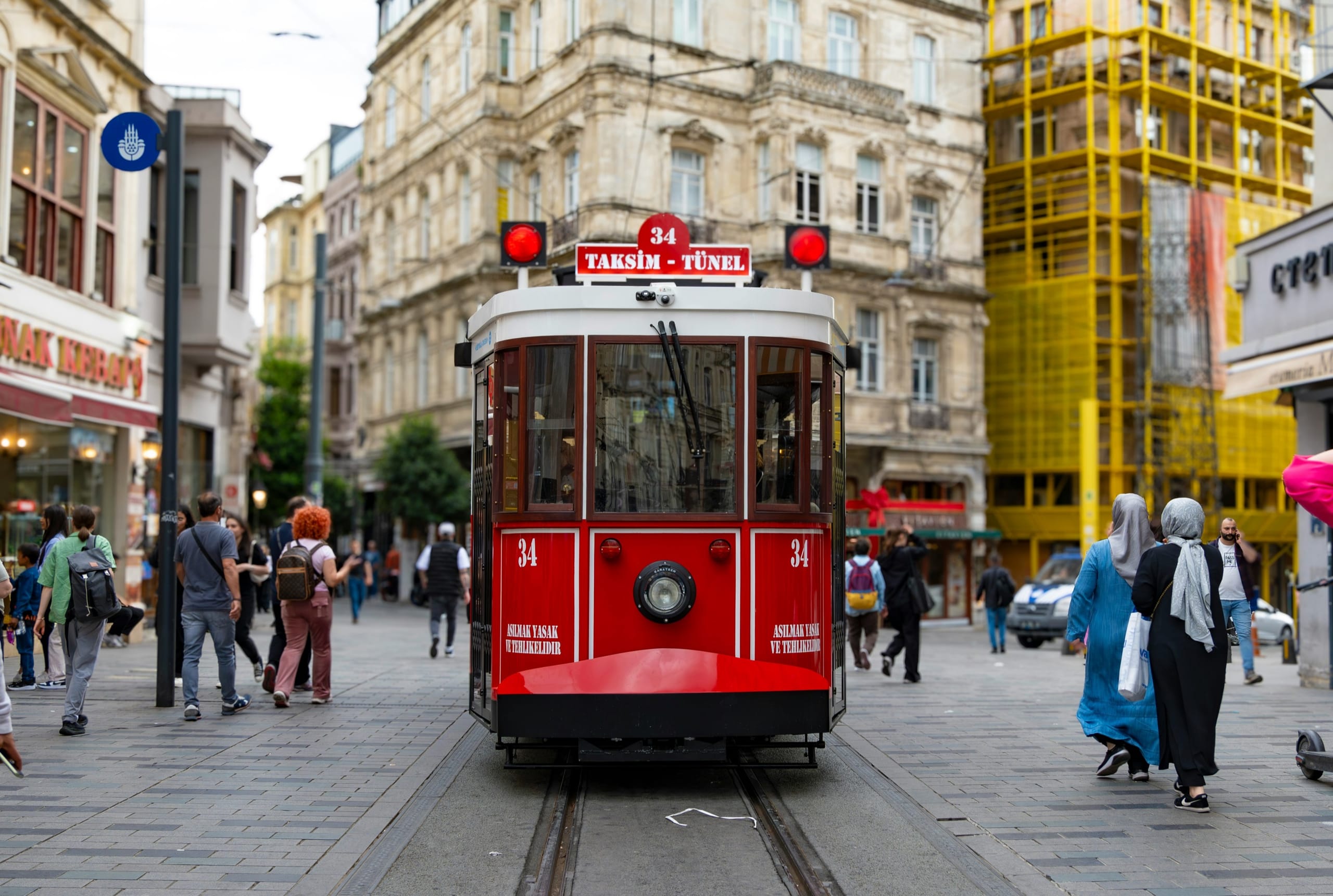
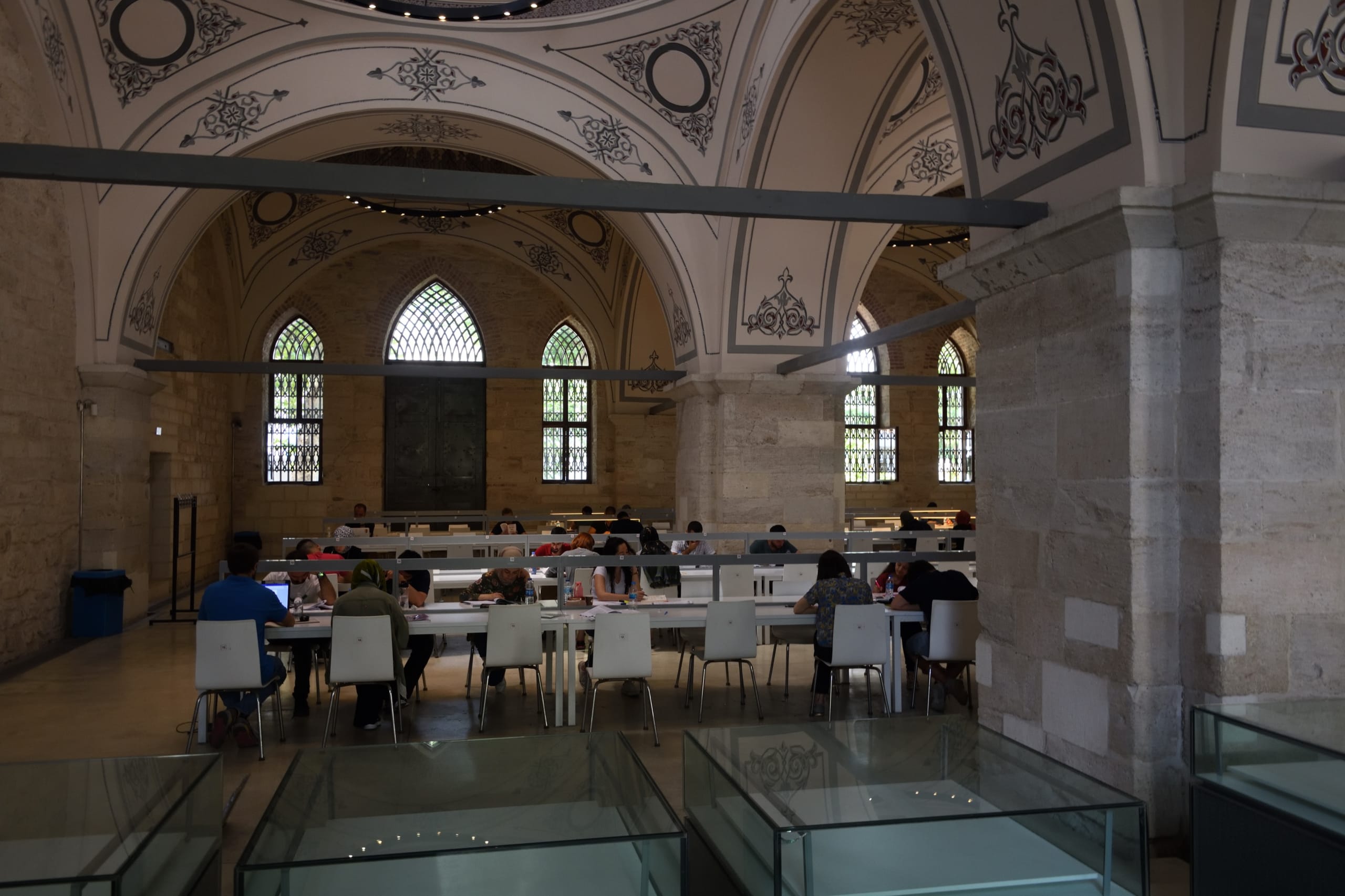 Dosseman / Wikimedia Commons (CC BY-SA 4.0)
How the system works
A bachelor's degree in Turkey usually takes four years. Some fields take longer: medicine, for example, is six years. Before the main programme, many universities offer a preparatory language year, called hazırlık, in Turkish or English depending on the language of your programme. If you prove your level with a certificate or the university's own test, you can usually skip that year.
Universities are either public or private; the private ones are also called foundation (vakıf) universities. International applicants are admitted under separate rules: each university decides which exams and documents it accepts. That can be TR-YÖS, the university's own exam, SAT or your school grades.
- Bachelor's degree
- Usually 4 years
- Teaching languages
- Turkish and English
- Academic year starts
- Usually in autumn
- Preparatory year
- Turkish or English, if needed
What students choose most
Medicine and dentistry
Long studies and high requirements. It pays to start preparing early.
Engineering and IT
Computer science, software engineering, electronics, civil engineering.
Business and economics
Management, finance, marketing, international trade. Often available in English.
Architecture and design
Some universities may ask for a portfolio or a creative exam.
International relations
Political science, diplomacy, regional studies.
Tourism and hospitality
You study in a country where this industry is developed and close at hand.
Universities worth considering
Universities applicants often consider. We will work out which one suits you during the consultation.
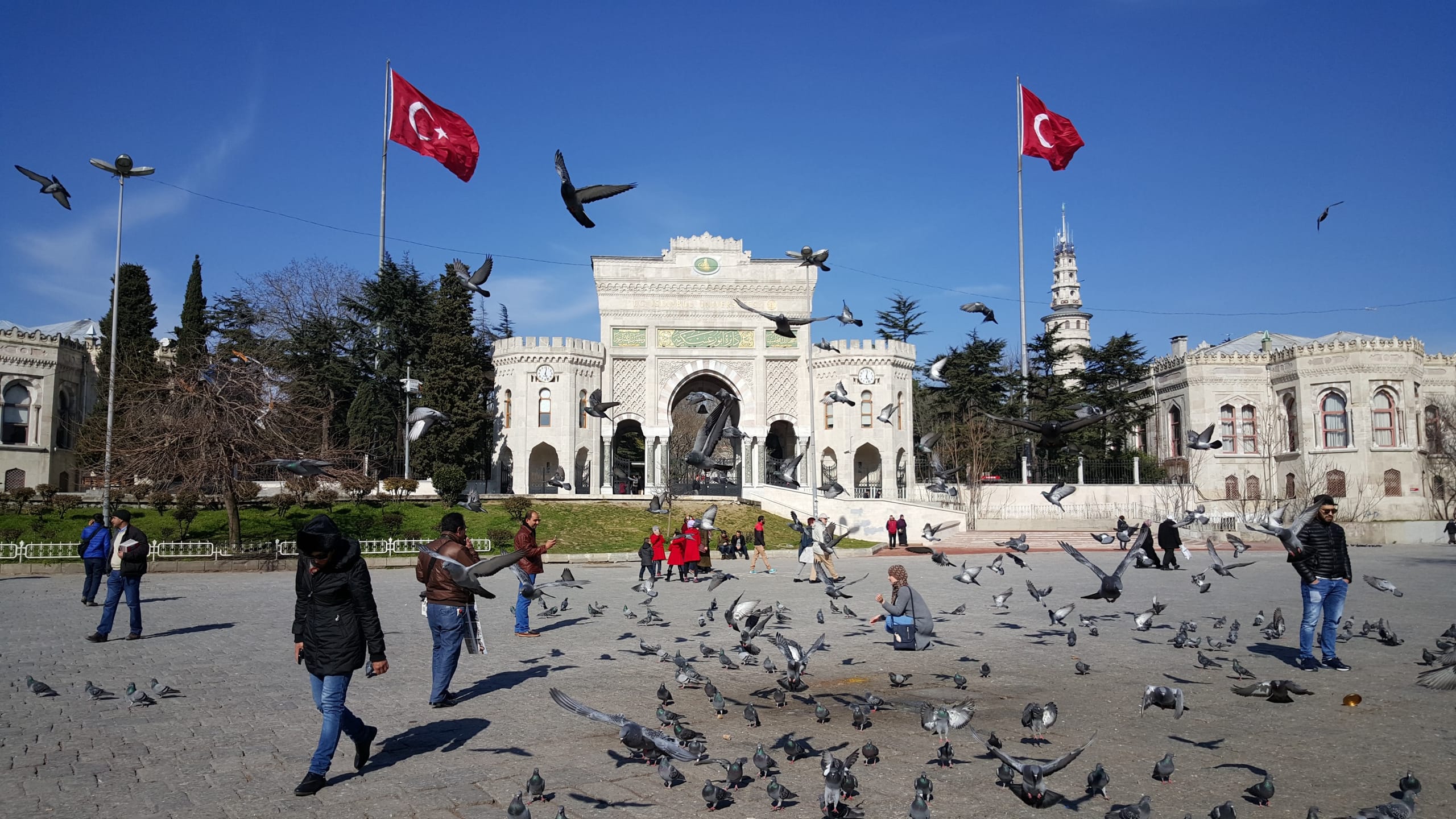
- Boğaziçi UniversityIstanbulengineering, business and economics, social sciencesUniversity website
- Istanbul Technical UniversityIstanbulengineering, architectureUniversity website
- Middle East Technical UniversityAnkaraengineering, natural sciencesUniversity website
- Ankara UniversityAnkaramedicine, law, humanitiesUniversity website
- Koç UniversityIstanbulbusiness and economics, engineering, medicineUniversity website
The list is a starting point for your choice. Dream Education is not an official representative of these universities.
Admission requirements
In Turkey each university sets its own requirements for international applicants. Below is what is usually asked for.
- A secondary school certificate (grade 11). If you are finishing school this year, some universities first accept a transcript from your school.
- A result in an exam the university accepts: TR-YÖS, the university's own exam or SAT. Some universities admit on school grades.
- Language: a level of Turkish or English, depending on the programme. If your level is not enough, a preparatory year is usually offered.
- Creative fields may require a portfolio or an aptitude exam.
- A valid international passport.
- A motivation letter and recommendations: some universities and scholarship programmes ask for them.
Exact requirements, passing scores and dates depend on the university and change from year to year. We check them against the current rules of the university you choose.
Documents
This list is approximate. We take the exact list, and the rules for translation and certification, from the specific university and put together a personal checklist for you.
- International passport
- School certificate with the grade supplement, or a transcript from your school if the certificate has not been issued yet
- Translation of the documents into Turkish or English, certified the way the university requires
- Exam certificate (TR-YÖS, SAT or another), if you have one
- Language certificate, if you have one
- Photos that meet the university's requirements
- Motivation letter, if the university or the scholarship programme asks for one
- Certificate of equivalence for your school certificate (denklik): usually requested at enrolment
- Health insurance and the documents needed for your stay in the country
The path to admission
The timing is approximate. Each university has its own exam and application dates; we check them against the university's current rules and put them into your personal calendar.
10–12 months before the start of studies
1. Choosing a field and universities
We work out what interests you and what budget your family has. We make a list of universities and programmes and decide which language you will study in.
8–10 months before
2. Exams and language
We find out which exam your chosen universities need and when to take it. Meanwhile you work on your Turkish or English.
5–8 months before
3. Documents and applications
We gather the documents, arrange translations and write the motivation letter if one is needed. We submit the university applications and, where it fits, a scholarship application.
2–4 months before
4. The university's answer and enrolment
You receive the decision, choose a university and complete registration. We sort out housing and prepare the documents for entry and residence.
The last month and after arrival
5. The flight and the first weeks
We prepare you for departure: what to take, how to get there, what to do in the first days. After you arrive we stay in touch while you handle the paperwork and settle in.
What the budget consists of
The cost of studying in Turkey depends heavily on the university, the programme and the city. So we don't give average figures here; we show what the budget is made of. Scholarships exist too: the government programme Türkiye Bursları, and scholarships or discounts offered by some universities.
- Tuition
- Depends on whether the university is public or private, on the programme and on the teaching language. Private universities usually cost more.
- Housing
- A dormitory or a rented flat. The price depends on the city, the district and how many people share a room.
- Living
- Food, transport, mobile and internet, study materials. Expenses are higher in a big city.
- One-time costs
- Translating and certifying documents, exam and application fees, visa or residence permit paperwork, insurance, the flight.
We calculate a concrete budget for the university you choose in the free plan, with tuition, housing, living and one-time costs listed separately.
Life and housing
Students usually live in a university dormitory, in a state or private dormitory, or share a rented flat. In the first year a dormitory is more convenient: the rules are clear, people your age are around, and your parents worry less.
The food is familiar, halal is easy to find, and you get used to the language quickly. But the pace of a big city is different from Bishkek: longer distances, more people, everything moves faster. We prepare you for that too.
- The city and the district affect both your expenses and what an ordinary day looks like.
- Dormitory places can be limited, so it is better to sort out housing early.
- After arrival you will need to arrange a residence permit, a bank card and a mobile connection.
- Coming home for the holidays is easy: there is a direct flight to Bishkek.
How we help
- We select universities and programmes that match your interests, your language and your family's budget.
- We check the current requirements and dates of each chosen university and build your personal calendar.
- We help you gather documents, arrange translations and write the motivation letter.
- We guide you through the applications and, where it fits, a scholarship application.
- We explain the entry and residence permit process and help with a dormitory or other housing.
- We prepare you for departure and stay in touch after you arrive. Your parents know which stage we are at.
Frequently asked questions
Do I need to know Turkish to get in?
Not necessarily. There are programmes in English, and for programmes in Turkish universities usually offer a preparatory language year. We help you decide which route suits you: an English-taught programme straight away, or a year of Turkish first.
Which exams do I have to take?
It depends on the university. Some accept TR-YÖS or run their own exam, others accept SAT or look at your school grades. We check the rules of the universities you choose and tell you exactly what to prepare for.
Can I get a scholarship?
Scholarships exist: the government programme Türkiye Bursları, and scholarships or discounts from some universities. The competition is serious and nobody can promise you one. We tell you what is realistic to apply for with your results and help you prepare the application.
Can I work while studying?
Work by international students is regulated by Turkish law, and the conditions change. So it is better not to build your budget around a part-time job. Before you leave we explain which rules apply at that moment.
Will my parents know what is going on?
Yes. Parents are involved from the first consultation: they see the plan, the budget and the dates. At every stage we tell them what has been done and what comes next, and we stay in touch after you arrive in Turkey.