
Bishkek—New York
Study in the USA
A campus, freedom to choose your major and classmates from all over the world. You need to start earlier than for any other country, and we will show you honestly where to begin.
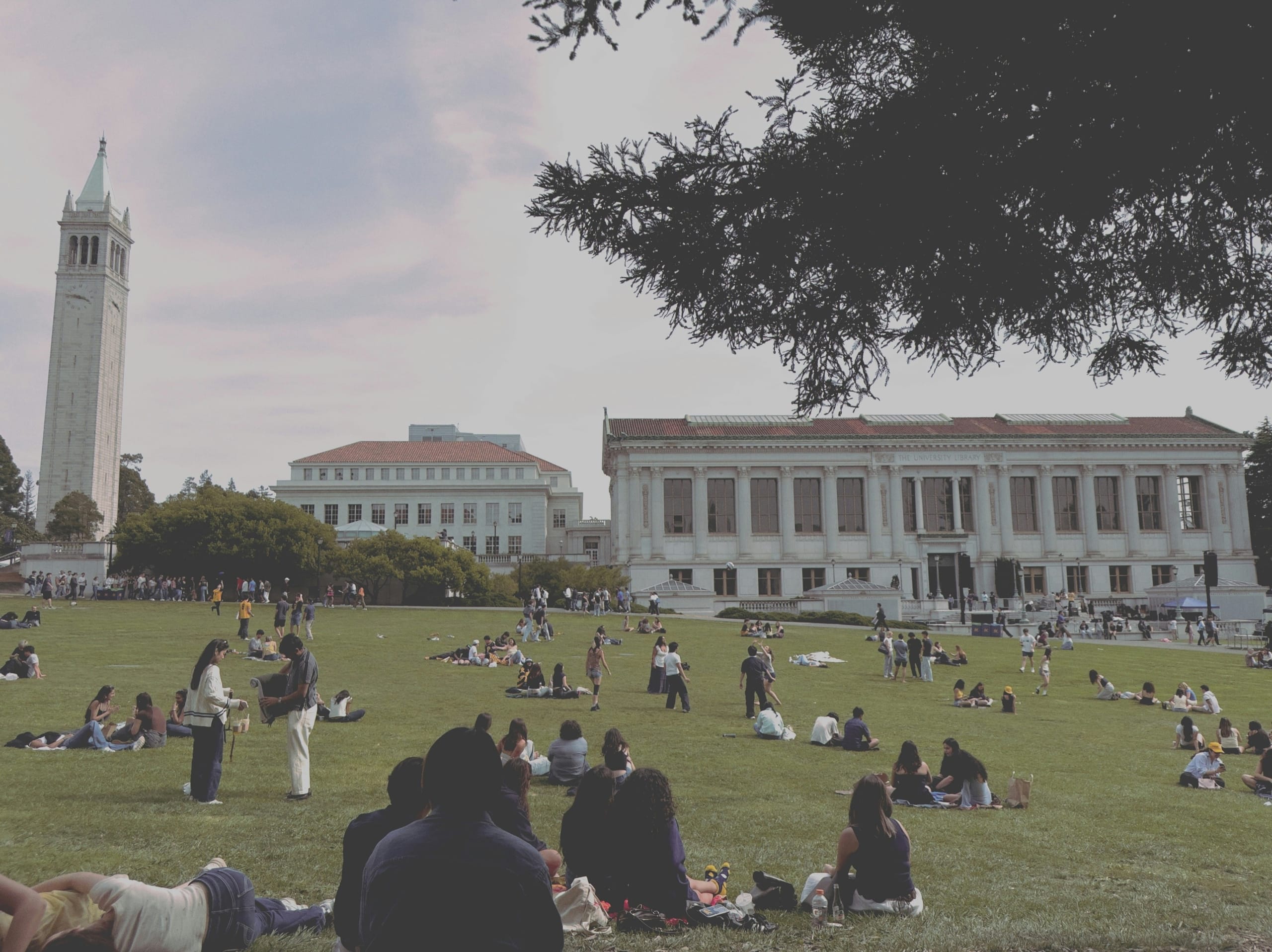
Why the USA
You don't have to pick a major right away
At many universities you spend the first two years trying different subjects and only then settle on your major. Changing direction is usually possible too.
Life on campus
Dormitories, the library, sports facilities and student clubs share one territory. Study and everyday life happen side by side.
Community college as a way in
You can start at a two-year college and then transfer to a university. It is a common route: requirements are usually lighter and tuition is typically lower.
A global environment
You study next to students from many countries. English is part of every day, not only of your classes.
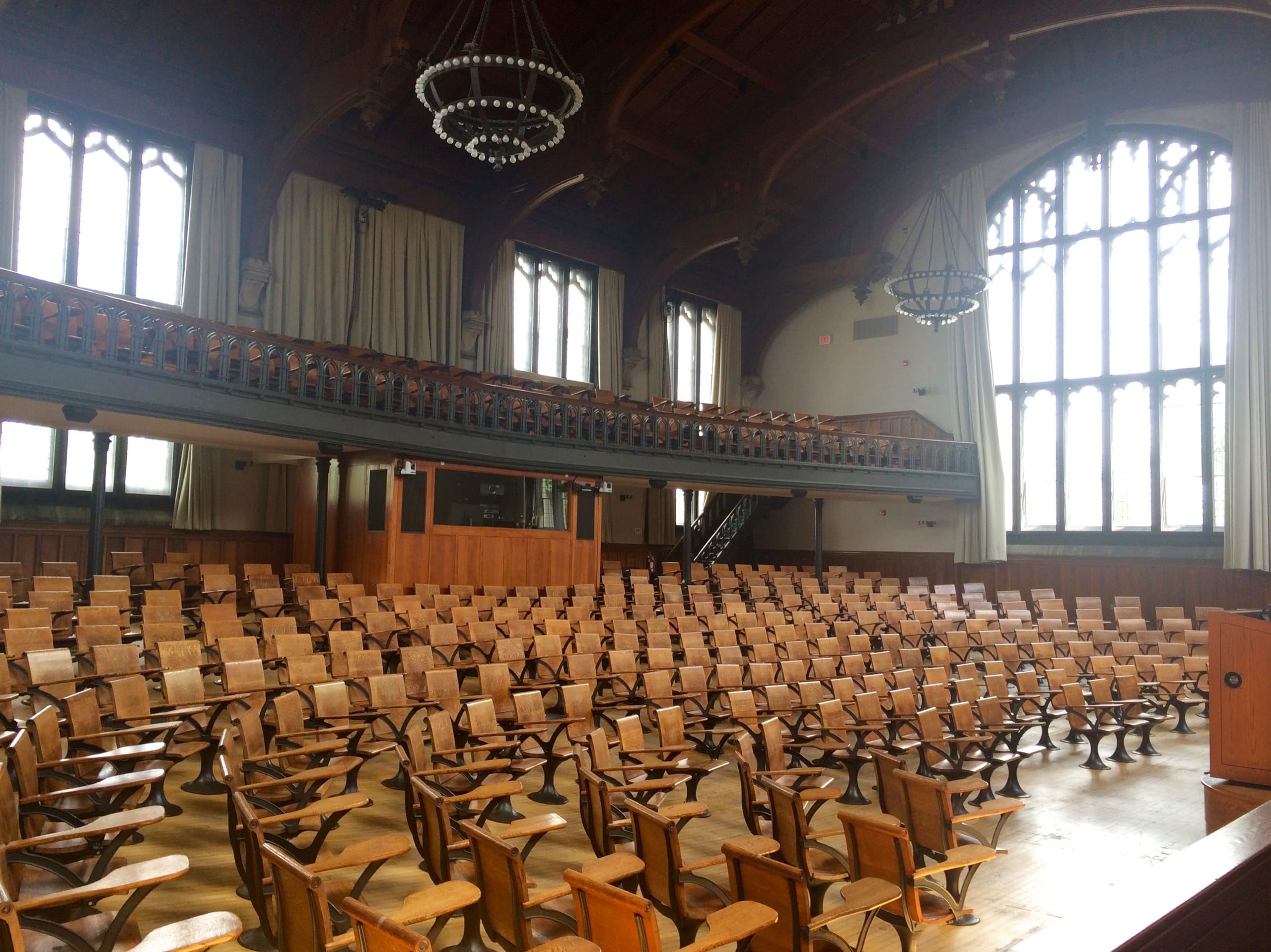 David Keddie / Wikimedia Commons (CC BY-SA 4.0)
How the system works
A bachelor's degree in the USA usually takes four years. The first years cover general subjects, then more of your courses belong to your major. Study is counted in credits: you build your own schedule with the help of an academic advisor.
There are several types of institutions: two-year community colleges, public state universities and private universities. They differ a lot in cost, competition and requirements. That is why we start the choice with the type of institution.
- Bachelor's degree
- Usually 4 years
- Community college
- 2 years, then transfer to a university
- Language of teaching
- English
- Start of studies
- Main intake in the fall, many universities also have a spring semester
Study areas
Computer science and IT
Programming, data, artificial intelligence
Business and management
Marketing, finance, entrepreneurship
Engineering
Mechanical, electrical, civil
Natural sciences
Biology, chemistry, physics, research work
Social sciences and psychology
Economics, international relations, psychology
Arts, media and design
Film, journalism, graphic design; a portfolio is often required
Universities worth considering
Universities and colleges applicants often consider: a starting point for your choice, not a fixed list.
- Arizona State UniversityTempe, Arizonabusiness and economics, engineeringUniversity website
- University of Illinois Urbana-ChampaignUrbana-Champaign, Illinoisengineering, computer scienceUniversity website
- Northeastern UniversityBoston, Massachusettsbusiness and economics, computer scienceUniversity website
- Purdue UniversityWest Lafayette, Indianaengineering, computer scienceUniversity website
- University of South FloridaTampa, Floridabusiness and economics, medicineUniversity website
The list is a starting point for your choice. Dream Education is not an official representative of these universities.
Requirements
Every university sets its own requirements. Below is what is asked for most often.
- A secondary school certificate and your grades from the last years of school
- An English test: TOEFL, IELTS or the Duolingo English Test, and which ones are accepted depends on the university
- SAT or ACT: optional at many universities, required at some, and a good score can strengthen your application
- Essays: a personal essay about yourself and answers to the university's additional questions
- Recommendation letters from your teachers
- Proof that your family has the funds for tuition and living costs
We check the exact requirements, scores and accepted tests against the current rules of the specific university before you apply.
Documents
The list depends on the university. We check which documents need translation and certification before you apply.
- International passport
- School certificate and grade transcript with an English translation
- English test certificate
- SAT or ACT results, if the university requires them or you decide to send them
- Personal essay and supplemental essays
- Recommendation letters from your teachers
- A list of your achievements and activities outside class
- Financial documents: a bank statement and a sponsor letter
- After admission: form I-20 from the university for the F-1 student visa
Admission steps
Of the five countries, the USA requires the earliest start and the most preparation. The timing below is approximate: we check exact dates against the rules of the specific university.
12–15 months before the start of studies
1. Plan and university list
We settle the type of institution, the study area and the budget. We find out which tests you need and you start preparing. If you can start even earlier, do.
10–12 months before
2. Tests and documents
You take the English test and, if needed, the SAT or ACT. At the same time we prepare your certificate, grades and translations.
8–10 months before
3. Essays and applications
You write your essays and ask teachers for recommendations. Applications often go through the Common App or the university's own website.
3–6 months before
4. Decisions and your choice
Universities send their decisions. We compare the offers and the budget, you choose one, and the university issues form I-20.
1–3 months before
5. Visa and pre-departure
You apply for the F-1 visa and attend an interview at the embassy. The decision is made by the consulate. After that come housing, tickets and packing.
What the budget consists of
The USA is usually the most expensive of our five destinations, and the gap between institutions is wide. The budget has four parts.
- Tuition
- Depends heavily on the type of institution: community colleges usually cost less, private universities tend to cost the most, and public universities sit in between.
- Housing and meals
- A campus dormitory with a meal plan, or renting a place off campus. Some universities require first-year students to live on campus.
- Insurance and daily expenses
- Health insurance, which universities usually require, plus textbooks, transport, phone and personal spending.
- One-time costs
- Tests, application fees, document translations, the visa and the flight.
Some universities offer merit scholarships and financial aid to international students, but these are always competitive and you cannot count on them in advance. We calculate an exact budget for your chosen university in the free admission plan.

Life and campus
First-year students most often live in a campus dormitory: you will have a roommate, and the dining hall and library are within walking distance. Outside class there are clubs, sports teams and volunteer projects, and that is usually where friendships start.
The country is very large. Climate, city size and expenses vary a lot from state to state: life in a small college town is not the same as life in a big city. The international student office helps newcomers settle in, and we stay in touch as well.
- A campus dormitory is the simplest option for the first year
- The international student office answers questions about your status and documents
- Clubs, sports and volunteering are part of student life
- Climate and expenses depend on the state and the city
How Dream Education helps
- We match the type of institution and a university list to your grades, English level and family budget
- We build a preparation plan: which tests, by when, which documents
- We help you gather documents and translations and fill in the application
- We discuss the idea and structure of your essay and give feedback, while the text stays yours
- We explain the visa process and prepare you for the documents and the interview; the consulate makes the decision
- We stay in touch about housing, pre-departure and your first weeks after arrival, and keep your parents informed
Frequently asked questions
Is it realistic to get into a US university from Kyrgyzstan after grade 11?
It is realistic, but it is the most demanding route of the five countries: you need good English, strong grades and an early start. We check in advance how a specific university treats an eleven-year school certificate. If you do not meet the requirements yet, we will discuss starting at a community college.
Can I get a scholarship?
Some universities offer merit scholarships and financial aid to international students, but they are competitive and full coverage of costs is rare. Nobody can promise you a scholarship. We shortlist universities where you have a chance and also calculate the budget without one.
Can I work while studying?
Student status comes with strict rules about work, and the international student office at your university explains them. It is not wise to plan on paying tuition from a part-time job. We calculate the budget so that it does not depend on the student's earnings.
How does the visa interview work, and can the visa be refused?
After admission the university issues form I-20, and with it you apply for the F-1 student visa and attend an interview at a US embassy or consulate. The decision is made by the consular officer, so nobody can guarantee a visa. We help you gather the documents and prepare for the questions.
Will my parents be kept informed?
Yes. Parents see the plan, the budget and the timing from the first conversation and receive updates at every stage. Important decisions are made together with the family.